








Profile Bio: Alaskan Seiti
| Attribute | Information |
|---|---|
| Common Name | Alaskan Seiti (Alaska Pollock) |
| Scientific Name | Gadus chalcogrammus |
| Origin | North Pacific Ocean and Bering Sea |
| Family | Gadidae (Cod family) |
| Habitat | Deep, cold waters of Alaska |
| Known For | Delicate flavor, firm texture, versatility in cooking |
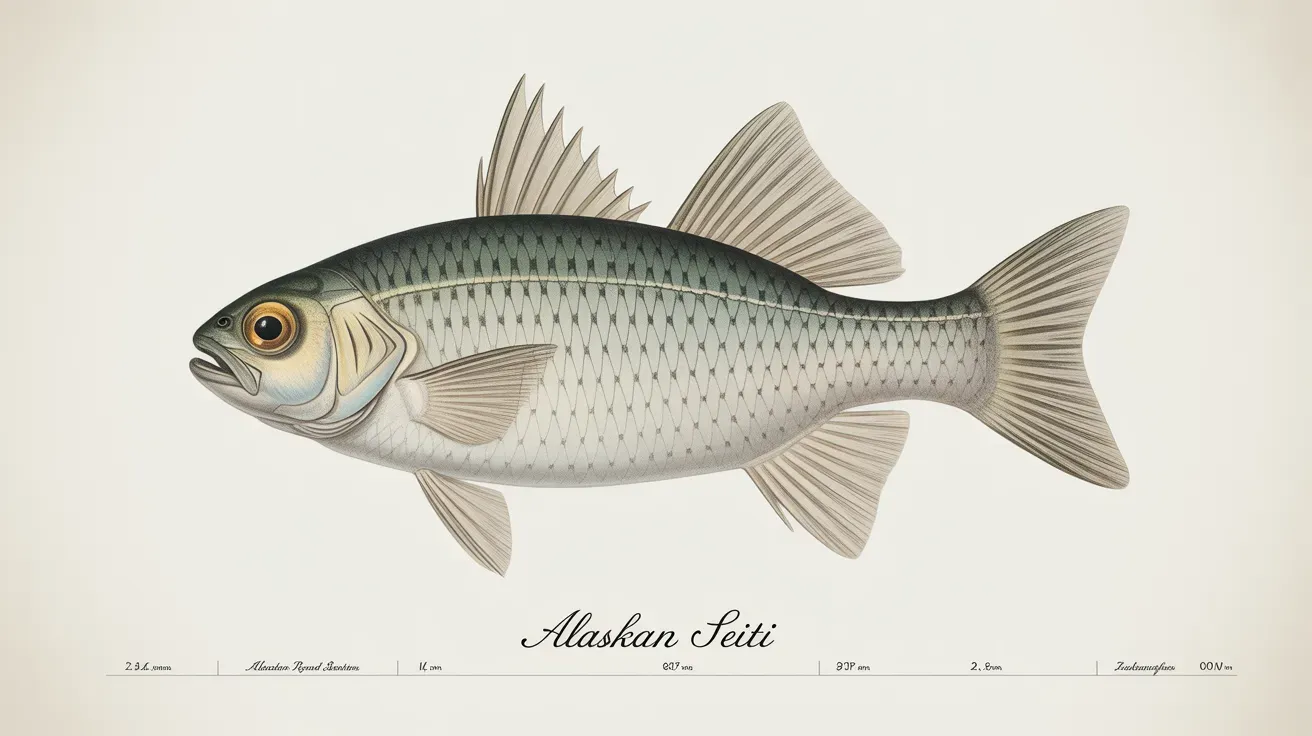
| Appearance | Silver body with a darker back, slightly elongated shape |
| Average Size | 2-4 feet long, typically 10-15 pounds |
| Fishing Methods | Sustainable trawl, hook-and-line fishing methods |
Alaskan Seiti, commonly known as Alaska Pollock, is one of the most significant fish species found in the cold, pristine waters of Alaska. While it is often overlooked compared to more popular fish like salmon or tuna, Alaskan Seiti is a powerhouse in the culinary world. It has a unique balance of flavor, texture, and versatility, making it a favorite in many kitchens globally. This article delves into the benefits, sustainability, culinary uses, and significance of Alaskan Seiti, a true hidden gem of the ocean.
What is Alaskan Seiti?
Alaskan Seiti (Gadus chalcogrammus) belongs to the cod family (Gadidae) and thrives in the cold waters of the North Pacific Ocean and the Bering Sea. This species of fish is often mistaken for other cod-like fish but stands out due to its mild, delicate flavor and firm texture. It is commonly referred to as Alaska Pollock, and while it has been a staple in the global seafood industry for decades, its unique qualities are still relatively unknown to many consumers.
With its versatility and sustainability, Alaskan Seiti is widely used in the production of various seafood products, including fish fillets, fish sticks, surimi (imitation crab meat), and even in the fast-food industry for items such as the McDonald’s Filet-O-Fish sandwich.
Alaskan Seiti’s Unique Features
Taste and Texture
One of the primary reasons Alaskan Seiti stands out in the seafood world is its flavor profile. Unlike other fish that may have a strong fishy taste, Alaskan Seiti offers a mild, subtly sweet flavor that can easily absorb the spices and seasonings it is paired with. Its firm yet flaky texture is another reason chefs love to work with it—whether grilled, baked, fried, or used in soups and stews, it holds its shape while maintaining a tender consistency.
Nutritional Benefits
Alaskan Seiti is not only delicious but also a highly nutritious fish. Rich in protein and low in fat, it serves as an excellent source of lean protein, essential for muscle growth and repair. It is also packed with omega-3 fatty acids, which contribute to heart health by reducing inflammation and promoting proper blood circulation.
In addition, Alaskan Seiti provides key vitamins and minerals such as vitamin B12, which supports nervous system health, and selenium, which is essential for immune function and antioxidant activity. Its low calorie and fat content make it an ideal choice for health-conscious individuals seeking a nutritious meal.
Sustainability
One of the most significant advantages of Alaskan Seiti is its sustainability. Alaska has long been a leader in implementing responsible fishing practices to preserve the health of its marine ecosystem. Alaskan Seiti fisheries operate under strict regulations to avoid overfishing and ensure that fish populations remain robust for future generations.
The Marine Stewardship Council (MSC) certifies many Alaskan Seiti fisheries for their sustainable practices, guaranteeing that the fish is caught in an environmentally responsible manner. This certification gives consumers confidence that their purchase supports fisheries that prioritize conservation, allowing them to enjoy Alaskan Seiti without contributing to overfishing.
How Alaskan Seiti is Caught
The process of catching Alaskan Seiti involves sustainable methods that minimize harm to the environment and non-target species. Two primary methods are used to harvest Alaskan Seiti:
Trawling
Trawling is one of the most commonly used methods for catching Alaskan Seiti. In this technique, large nets are dragged behind boats to capture the fish. While trawling is an effective way to catch large quantities of fish, it is carefully managed to avoid bycatch and to minimize disruption to the marine ecosystem. Only mature fish are captured, ensuring the next generation of Seiti remains abundant.
Hook-and-Line Fishing
Another method used to catch Alaskan Seiti is hook-and-line fishing. This method is more selective and involves using baited hooks to target the fish individually. This technique is particularly helpful in minimizing environmental impact and reducing the risk of capturing non-target species.
Both methods are highly regulated by the Alaska Department of Fish and Game, which oversees the sustainability of the fisheries and ensures that fishing activities do not harm the marine environment.
Alaskan Seiti in Culinary Delights
Alaskan Seiti is a highly versatile fish that can be prepared in numerous ways. Below are some of the most popular dishes and preparations:
Fish and Chips
The classic dish of fish and chips is one of the most popular ways to enjoy Alaskan Seiti. Its firm, flaky texture holds up well when battered and fried, creating the perfect crispy fish fillet. This dish is loved worldwide and is commonly served in restaurants and homes alike.
Surimi (Imitation Crab)
Alaskan Seiti is the main ingredient in surimi, a fish paste that is used to make imitation crab meat. This versatile product is used in sushi, seafood salads, and seafood soups, providing a more affordable alternative to real crab meat while still maintaining a similar taste and texture.
Grilled or Baked Fillets
For a healthier option, Alaskan Seiti fillets can be grilled or baked with your choice of seasonings. The fish’s mild flavor makes it a perfect canvas for a wide variety of herbs and spices, whether paired with citrus, garlic, or herbs like dill and parsley.
Fish Tacos
Alaskan Seiti is also an excellent choice for fish tacos. The fish’s mild flavor allows it to pair beautifully with fresh toppings like shredded cabbage, salsa, and a squeeze of lime, making for a delicious and healthy meal option.
The Economic Impact of Alaskan Seiti
The fishing industry in Alaska is a significant part of the state’s economy, and Alaskan Seiti is one of the primary fish species caught in these waters. With millions of pounds of Seiti processed every year, the fishery creates thousands of jobs for fishermen, seafood processors, and workers in the shipping and distribution sectors.
Alaskan Seiti also plays a role in global trade, with much of the fish exported to countries around the world. Its use in a wide range of products—from frozen fillets to surimi—helps boost the state’s economy and supports a sustainable seafood industry.
Conclusion
Alaskan Seiti is a true hidden gem from the icy waters of Alaska, offering a unique combination of flavor, texture, and sustainability. Whether enjoyed in fish and chips, used in surimi, or simply grilled, this versatile fish provides numerous culinary possibilities. Moreover, its sustainable sourcing ensures that consumers can enjoy it without compromising the health of our oceans.
As demand for Alaskan Seiti continues to grow, so does its importance to both the economy of Alaska and the global seafood industry. By supporting sustainable fisheries and choosing Alaskan Seiti, we can help ensure that this valuable resource remains abundant for generations to come.
FAQs About Alaskan Seiti
What is Alaskan Seiti?
Alaskan Seiti, also known as Alaska Pollock, is a fish species from the cod family that is found in the cold waters of the North Pacific and Bering Sea. It is recognized for its mild flavor and firm texture.
How is Alaskan Seiti harvested?
Alaskan Seiti is harvested using sustainable fishing methods like trawling and hook-and-line fishing. These methods are regulated to minimize environmental impact and ensure fish populations remain healthy.
What are the health benefits of Alaskan Seiti?
Alaskan Seiti is rich in lean protein, omega-3 fatty acids, and essential vitamins like B12 and selenium. It supports heart health, boosts immune function, and contributes to overall wellness.
How can Alaskan Seiti be cooked?
Alaskan Seiti can be cooked in many ways, including grilling, baking, frying, and making it into surimi (imitation crab). It pairs well with various herbs, spices, and cooking methods.
Why is Alaskan Seiti considered sustainable?
Alaskan Seiti is considered sustainable because it is harvested using responsible fishing practices, with strict regulations in place to protect the marine ecosystem and ensure the long-term health of the fishery.
Find this article informative? Click here to read our more informative blogs