






A logo is not just a visual element—it’s a promise. It’s often the first interaction someone has with your brand, and in that brief moment, it communicates far more than most people realize. Is your brand reliable? Forward-thinking? Friendly? Premium? All of those signals can be conveyed instantly through thoughtful logo design.
For years, creating a professional logo felt like a major hurdle. You either needed design expertise, a generous budget, or a lot of patience for revisions and back-and-forth. Many entrepreneurs and creators delayed branding altogether or chose something that “worked for now,” hoping to upgrade later. In today’s fast-paced digital environment, that approach can cost valuable opportunities. Strong branding from the start matters more than ever.
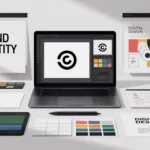
Fortunately, the way logos are created is evolving. Tools like an AI logo generator have changed the process by making professional logo design faster, more accessible, and far less intimidating. Instead of wrestling with complex software or abstract design rules, creators can focus on shaping a visual identity that truly reflects their brand.
Why a Logo Still Carries So Much Influence
In a world overflowing with content, visuals do a lot of the heavy lifting. A logo acts as a visual shortcut—it helps people recognize and remember your brand across platforms. Whether it appears on a website, social media profile, mobile app, email signature, or packaging, the logo creates a sense of continuity.
This consistency is powerful. When people repeatedly encounter the same visual identity, it feels familiar. Familiarity leads to trust, and trust is often the deciding factor when someone chooses between similar options.
Even for small or newly launched businesses, a polished logo signals credibility. It tells your audience that you take your work seriously and that you’re invested in how your brand shows up.
The Challenges of Traditional Logo Design
Despite its importance, logo design has long been a source of frustration. Common obstacles include:
- Turning an abstract brand idea into a clear visual
- Choosing fonts and colors that feel cohesive
- Avoiding designs that look generic or overused
- Balancing simplicity with personality
- Managing time, cost, and multiple revisions
Because of these challenges, many people rush the process or settle for something that doesn’t fully represent their vision. Unfortunately, weak branding often blends into the background—and being forgettable is rarely good for business.
How AI Is Reshaping the Logo Creation Process
AI-powered logo tools take a more intuitive approach. Instead of requiring deep technical knowledge, they begin by understanding the brand itself. Users typically share details such as industry, tone, and style preferences. From there, intelligent systems generate logo concepts based on proven design principles.
This removes much of the guesswork. Typography balance, spacing, and color harmony are handled behind the scenes, giving users a solid foundation to build on. Rather than starting from a blank canvas, you’re refining ideas that already make visual sense.
The experience feels collaborative rather than overwhelming. You can explore multiple styles, compare options, and make adjustments instantly—something that traditionally took weeks.
Real-Life Scenarios Where Smart Logo Design Makes a Difference
Imagine a startup preparing for its first product launch. Potential customers may only glance at the brand for a few seconds. A clean, confident logo can instantly elevate perception and make the business feel established.
Or consider a freelancer repositioning their services. As their niche evolves, so should their branding. Instead of committing to one costly redesign, they can experiment with different visual directions until the logo aligns perfectly with their new focus.
Local businesses benefit as well. A café, online store, or consulting service can create a logo that looks just as professional as larger competitors, helping them stand out without stretching their budget.
Actionable Tips for Creating a Strong Logo
Even with intelligent tools, thoughtful input matters. Here are practical tips to guide the process:
1. Define your brand personality clearly:
Ask how you want people to feel when they see your logo. Are you modern or classic? Bold or minimal? Friendly or authoritative?
2. Keep simplicity front and center:
The most effective logos are easy to recognize and remember. Avoid unnecessary details that won’t scale well.
3. Design for versatility:
Your logo should work across formats—websites, social media, print, and mobile. Test it at different sizes.
4. Choose colors with intention:
Colors evoke emotion. Select shades that align with your brand message and audience, not just trends.
5. Take time to decide:
Compare variations and step away before choosing. Often, the strongest logo becomes clearer with perspective.
Consistency Begins With the Logo
A logo isn’t just a standalone graphic—it’s the foundation of your entire visual identity. Once established, it influences everything from marketing materials to website layouts and social media visuals.
When branding feels consistent, audiences recognize you faster and trust you more. Maintaining that consistency becomes easier when your logo is designed to adapt across different platforms and use cases.
Confidence Grows From Strong Branding
There’s also a personal benefit to having a polished logo: confidence. When your brand looks professional, you feel more comfortable promoting it, pitching ideas, and sharing your work. That confidence often comes through in how you communicate.
People respond to brands that appear intentional and well-presented, even before they fully understand what the brand offers.
Conclusion
Logo design no longer has to be slow, expensive, or intimidating. With modern design tools supporting the process, creators and businesses can build logos that feel professional, authentic, and aligned with their vision. The goal isn’t to replace creativity, but to support it—removing technical barriers so ideas can come to life more easily.