






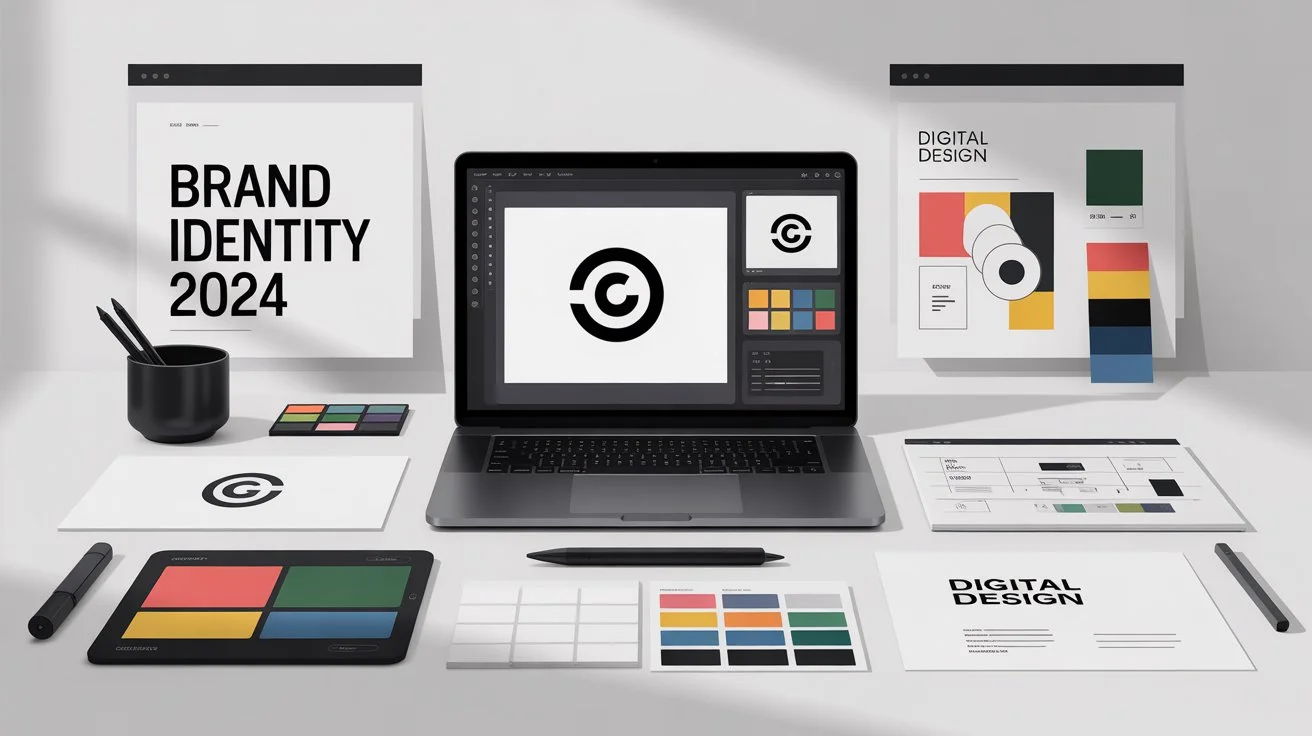
A logo is one of the most powerful assets a brand owns. It’s not just a visual mark—it’s a signal. It tells people who you are, what you stand for, and how serious you are about your work. Before a customer reads your copy, checks your prices, or tries your product, they see your logo. In that brief moment, trust is either built or quietly lost.
For a long time, creating a strong logo felt like a complicated process. You needed design experience, a healthy budget, and patience for multiple revisions. Many startups and solo creators either postponed the task or settled for something that didn’t fully reflect their vision. Today, however, branding has entered a more practical and accessible era, where smart tools help ideas take visual form faster and more confidently.
That’s where solutions like an AI logo generator come into play. Instead of struggling with technical design rules or staring at a blank canvas, creators can now translate their brand identity into a polished logo with guidance built directly into the process.
Why Logos Still Carry So Much Weight
In a crowded online world, attention is scarce. A logo acts as a visual shortcut, allowing people to recognize your brand instantly across platforms. Whether it appears on a website, social media profile, presentation, email signature, or packaging, a logo creates continuity.
Think about the brands you trust. Chances are, their logos are simple, consistent, and easy to recognize. That consistency isn’t accidental—it’s the result of intentional design choices. A well-crafted logo helps your audience remember you, and familiarity is often the first step toward loyalty.
Even small or early-stage businesses benefit from strong visual identity. A professional-looking logo signals credibility, regardless of company size.
The Common Pain Points of Logo Design
Despite its importance, logo design has historically been one of the most intimidating branding tasks. Common challenges include:
- Turning abstract ideas into visual elements
- Choosing fonts and colors that work well together
- Avoiding designs that look generic or copied
- Balancing personality with simplicity
- Managing cost, time, and revisions
Because of these hurdles, many people rush the process or choose designs that don’t fully align with their brand. Unfortunately, weak branding often blends into the background rather than standing out.
How AI Is Changing the Logo Design Experience
AI-driven design tools approach logo creation from a different angle. Instead of requiring advanced skills, they start with understanding your brand. Users typically provide information such as industry, tone, and stylistic preferences. From there, intelligent systems generate logo concepts built on proven design principles.
This removes much of the guesswork. Spacing, balance, and typography are handled behind the scenes, giving you a strong starting point. You’re not locked into a single idea—you can explore multiple directions quickly and refine what resonates most.
The process feels collaborative rather than technical, which is especially valuable for founders and creators who know their brand well but aren’t designers by trade.
Real-World Examples of Smart Logo Creation
Imagine a startup preparing for its first product launch. Investors and early users may only interact with the brand briefly at first. A clean, confident logo can immediately elevate perception and make the company feel established.
Or consider a freelancer rebranding after shifting their niche. Instead of paying for multiple design rounds, they can experiment with different visual styles until the logo truly matches their voice and positioning.
Local businesses benefit too. A café, online shop, or consulting service can create a logo that looks just as professional as larger competitors, helping them compete visually from day one.
Practical Tips for Creating a Strong Logo
AI tools make logo design more accessible, but thoughtful decisions still matter. Here are actionable tips to guide the process:
1. Clarify your brand personality
Decide how you want to be perceived. Are you modern or classic? Bold or minimal? Friendly or authoritative?
2. Prioritize simplicity
The most effective logos are easy to recognize and remember. Avoid overcrowding your design with unnecessary details.
3. Think about versatility
Your logo should work across many formats—websites, social media, print, and mobile. Test it at different sizes.
4. Use color intentionally
Colors evoke emotion. Choose shades that align with your message and audience rather than following trends blindly.
5. Take time to compare options
Don’t rush the final choice. Reviewing variations side by side often reveals which design feels most authentic.
Consistency Starts With a Strong Logo
A logo is the foundation of your visual identity. Once established, it influences everything else: marketing graphics, website design, social media posts, and even tone of communication.
When branding is consistent, audiences recognize you faster and trust you more. AI-assisted logo creation often makes this easier by providing adaptable assets that maintain visual harmony across platforms.
Confidence Comes From Clear Branding
There’s also a personal benefit to having a strong logo. When your branding looks polished, you feel more confident sharing your work, pitching ideas, and promoting your business. That confidence is often visible to your audience.
People tend to trust brands that appear intentional and well-presented, even before they fully understand what the brand offers.
Conclusion
Logo design no longer has to be overwhelming, expensive, or out of reach. With intelligent tools guiding the process, creators and businesses can build logos that feel professional, relevant, and aligned with their vision. The goal isn’t to replace creativity, but to support it—removing technical barriers so ideas can take shape more easily.
In a fast-moving digital landscape, a clear and memorable logo remains one of the strongest signals of brand credibility. And today, creating one is more accessible than ever.