







Thousands of homes around the United Kingdom still use electric storage heaters, particularly in old apartment buildings and buildings that do not have gas supplies. Many families still use these appliances because they have always been there. However, with ever-climbing energy prices, there’s always one question that repeatedly arises:
Are electric storage heaters really costlier than gas systems?
The simplest answer is: yes, well, in most instances, but this is subject to your means of heating your residence, patterns of energy consumption, and what might be available in initiatives such as the ECO4 scheme.
Let’s explore!
What are electric storage heaters, and how do they work?
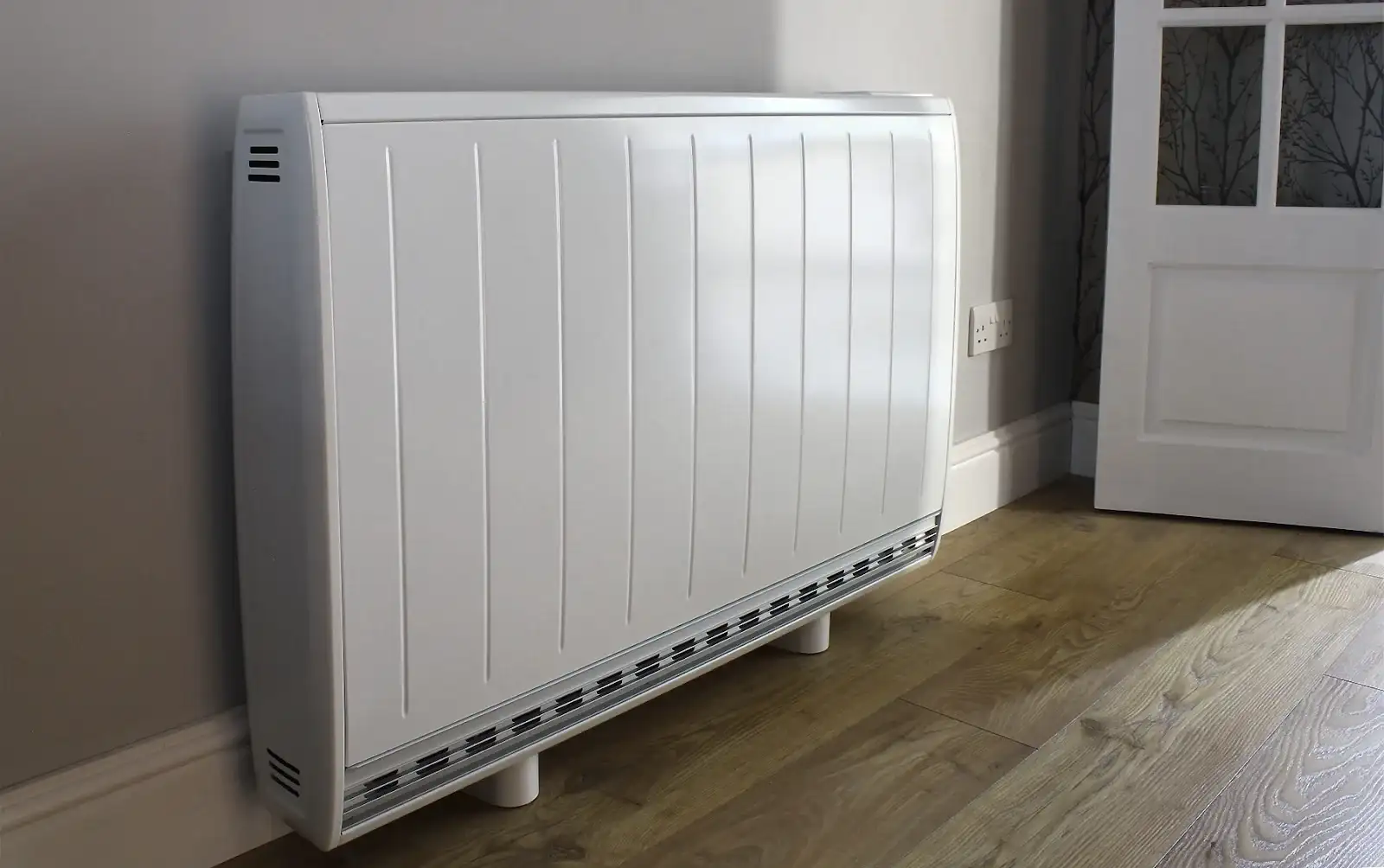
Electric storage heaters, as the name suggests, are heating systems. They work very differently from gas central heating. Instead of heating your home when you need it, they:
- Charge up overnight using electricity
- Store heat in internal bricks
- Release the heat slowly throughout the day
They were meant for use with Economy 7 or off-peak electricity tariffs. On these, electricity prices are low at night. The aim was simple: harness the low-priced electricity at night and then have the warmth in the daytime.
In theory, it seems like a very efficient system. In practice, many families find themselves struggling with:
- Heat running out by evening
- Rooms overheating earlier in the day
- Little control over when heat is released
How gas central heating works in comparison
Gas central heating systems provide heat for your home on demand. Turning on the heating provides:
- Gas is burnt in a boiler
- Hot water passes through the radiators
- Rooms warm up quickly
This provides much better control. What happens is that you warm your house only if you need it, rather than trying to figure out how cold it’s going to be the next day.
Gas is also still cheaper than electricity by unit price in the UK, and cost is an important consideration.
Estimated annual heating costs (typical UK home)
For a small to medium-sized property:
Gas central heating
- Average annual space-heating cost: £600–£900
- The costs depend on the level of insulation, the efficiency of the boiler, and usage
Electric storage heaters
- Average annual space-heating cost: £1,200–£1,800
- The costs will rise even further in case additional electric heaters are also being used.
This means that many families with storage heaters could be paying £500-£900 annually for simply keeping their house warm.
Are electric storage heaters more expensive to run than gas?
For most households, yes. Here’s why:
- Electricity costs more per unit than gas
- Storage heaters use a lot of electricity
- The cost of any usage that takes place during the day is applicable for peak tariffs
- Poorly insulated properties will lose stored heat quickly
However, despite the option of off-peak rates, many people are finding that the costs far exceed what they would pay for gas central heating.
In simple terms:
- Gas heating = cheaper fuel + better control
- Storage heaters = expensive fuel + limited control
When electric storage heaters can make sense
Even if they tend to cost more money, there are still possible uses for storage heaters:
- Properties without a gas supply
- Homes with modern high-retention storage heaters
- Households practicing off-peak usage strictly
- Highly insulated properties
Nevertheless, many British homes retain old heating systems that heat poorly and offer very little control.
Common problems people face with storage heaters
In many families, similar problems exist:
- Heat runs out before evening
- The bedrooms in the houses are cold at night
- The living rooms get too hot during the day
- Bills remain high even with low usage
As a result, people often use:
- Portable electric heaters
- Fan heaters
- Oil-filled radiators
All these will increase the cost on top of the already costly electricity.
Gas vs electric: comfort is also a consideration
Running cost is very relevant, but comfort should also be considered.
Usually, gas central heating provides:
- Even heat throughout the home
- Hot water on demand
- Timers and thermostats
- Quick response to cold weather
Electric storage heaters often struggle to:
- Adjust to sudden cold spells
- Provide heat exactly when needed
- Heat multiple rooms evenly
For families, pensioners, or people working from home, this lack of control can be frustrating.
What about homes that don’t have gas?
This is especially true for apartments or rural properties. Should gas not be an option, consider:
- Upgrading to modern storage heaters
- Switching to high-efficiency electric heating
- Improving insulation to reduce heat loss
In regard to ECO4, there are some households that might qualify for help to upgrade an inefficient electric heating system. In some cases, this includes help through schemes like an Free Storage Heater Grants, which supports the replacement of old, inefficient heaters with newer, more efficient models.
Eligibility generally depends on income, benefits, and property type.
Why insulation matters just as much as the heating type
No heating system will function effectively in an inadequately insulated property.
Homes with:
- Solid walls
- No attic or a Loft
- Single glazing
Conducts heat poorly – meaning it will lose heat very quickly – which makes electric heating extremely costly.
This is why ECO4 considers the entire home, not just the heating element that is being replaced. Energy savings from improved insulation are frequently made at the same time as heating system upgrades to provide ongoing benefits.
Can ECO4 help households reduce heating costs?
Yes. The ECO4 scheme is intended to benefit:
- Low-income households
- Pensioners
- Homes that use inefficient heating options
Support may include:
- Heating upgrades
- Insulation improvements
- Modern, energy-efficient systems
For those living in houses that use antiquated heating systems that are powered by electricity, having the support of ECO4 could prove to be very beneficial.
Is switching always the right choice?
Not always. Every home is different. Prior to making the changeover, the following must be considered:
- Whether there is availability of gas
- Insulation levels per property
- Domestic energy consumption behaviour
- Eligibility for grants or support
That is why a proper assessment is important. What might work well for one house might not work for another.
Key takeaway: Which is cheaper in the long run?
For most households in the UK:
- Gas central heating is cheaper to run
- Current electric storage room heaters cost even more, particularly older ones
Nevertheless, for households that do not use gas, emphasis should be on:
- Improving efficiency
- Reducing heat loss
- Accessing ECO4 support where available
There are also grants and improvements to help the house replace its inefficient and expensive heating solutions with modern ones.
The Bottom Line
The design of electric storage heaters was meant for a different era, when the cost of electricity was low and patterns of consumption could be accurately forecasted. However, for modern generations, these units are deemed to be costly, difficult to control, and provide no comfort to consumers.
If you are finding it difficult due to expensive bills or uneven heating, it may be worth exploring what support is available. There are schemes such as the ECO4 initiative or the LA Flex Scheme that could help in modernising inefficient systems and insulation. Heating your home should not be a choice between warmth and affordability.